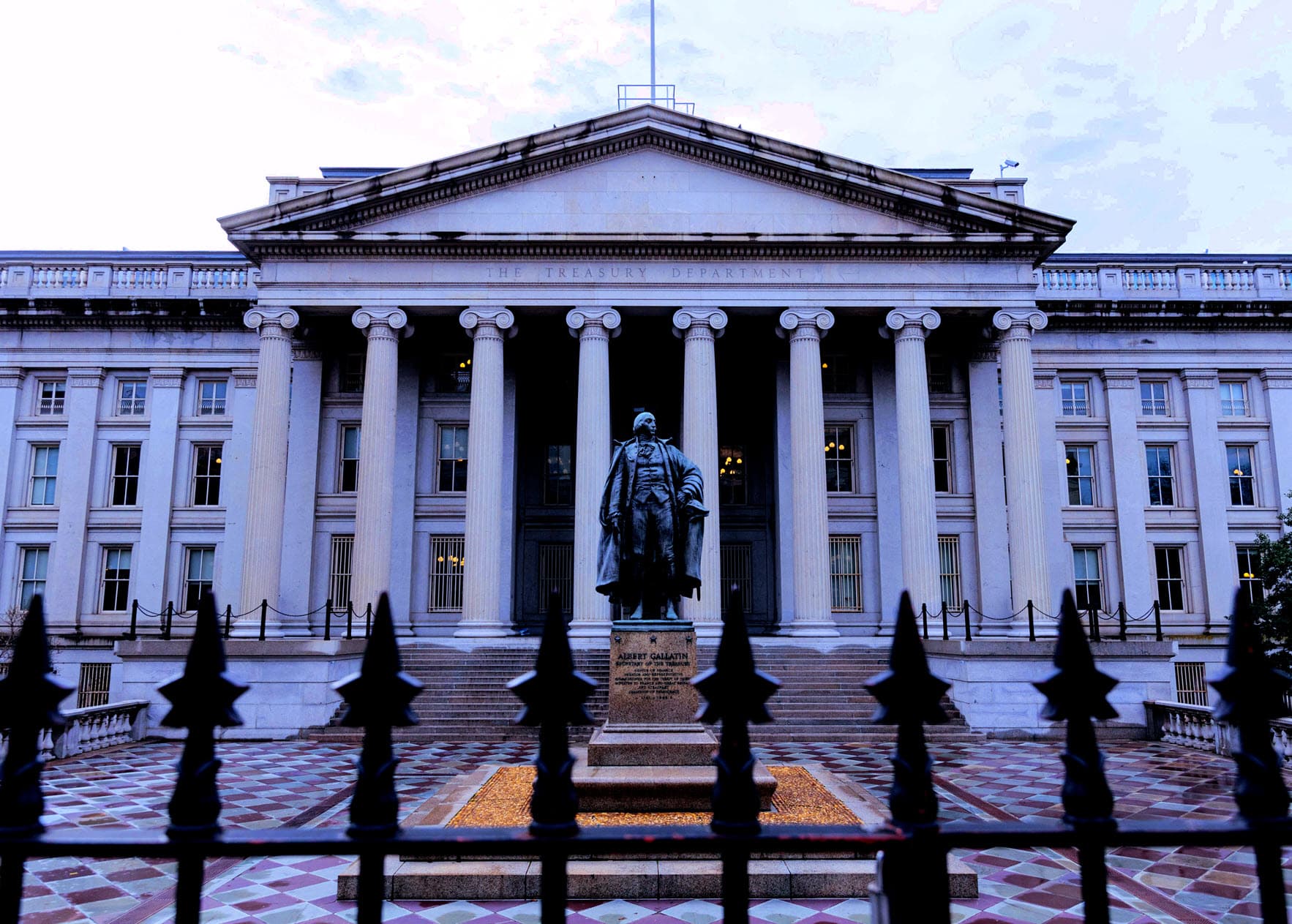


Our Capital Markets and Securities attorneys represent public companies, emerging growth issuers, boards, placement agents, broker dealers, and investors in sophisticated equity and debt transactions and ongoing securities compliance. We advise on IPOs, follow on offerings, PIPE financings, at the market programs, rights offerings, SPAC and reverse merger transactions, Rule 144A and Regulation S offerings, and private placements under Regulation D and Regulation A.
We serve as securities compliance counsel to public companies, including those listed on Nasdaq and NYSE, guiding Exchange Act reporting, including Forms 10-K, 10-Q, and 8-K, proxy disclosures, Section 16 reporting, Rule 144 matters, insider trading policies, equity compensation plan registrations, and stock exchange governance standards. We regularly advise boards and special committees on fiduciary duties, conflicted transactions, disclosure controls, and evolving SEC priorities.
Our practice also includes representation of financial intermediaries and sponsors. We counsel broker dealers and placement agents on FINRA registration, Regulation M compliance, supervisory procedures, and offering related regulatory matters, and advise sponsors on private fund formation, investment adviser registration, and compliance under the Investment Company Act and Investment Advisers Act.
Whether executing a public offering, recapitalization, uplisting, or early-stage financing, we focus on disciplined execution, practical guidance, and capital structures built for long term growth.
We represent issuers, investors, and underwriters in a full range of public and private equity and debt offerings, from early-stage financings to complex public company transactions. Our experience includes:
We serve as securities compliance counsel to exchange listed companies, including Nasdaq and NYSE listed companies and other reporting issuers, advising on ongoing Exchange Act obligations and disclosure matters, including:
We advise boards, management teams, and special committees on corporate governance and listing standards under federal securities laws and exchange rules, including:
We represent broker dealers, placement agents, and sponsors in regulatory and capital formation matters, including:
We design and implement executive and equity-based compensation arrangements for private and public companies, including:
Before pursuing any securities offering or significant capital raise, whether an IPO, follow-on offering, PIPE, Regulation A offering, or private placement. Early involvement helps structure the transaction properly, manage disclosure obligations, coordinate with underwriters or placement agents, and reduce regulatory risk. Public companies also rely on securities counsel for ongoing reporting and exchange compliance.
A public offering requires SEC registration and ongoing reporting under the Exchange Act. A private placement, often conducted under Regulation D or Regulation A, allows companies to raise capital without full registration but still requires compliance with federal and state securities laws, investor qualification standards, and anti-fraud rules. The right approach depends on timing, capital needs, investor base, and long-term strategy.
Public companies must file annual, quarterly, and current reports on Forms 10-K, 10-Q, and 8-K, comply with proxy disclosure requirements, Section 16 reporting, insider trading rules, and stock exchange governance standards. Failure to meet these obligations can result in enforcement actions, exchange deficiencies, or delisting risk.
Companies must satisfy financial thresholds and corporate governance standards, including board independence, committee composition, audit requirements, and shareholder approval rules. A clean SEC reporting history and a compliant capital structure are critical before submitting a listing application.
Yes. In addition to federal law, companies offering securities in California may be subject to state Blue Sky notice filings, fees, and anti-fraud provisions. California corporate law also governs fiduciary duties and shareholder approval requirements, which can be particularly important in financings and conflicted transactions.
A PIPE, or private investment in public equity, is a private placement by a public company to institutional or accredited investors. PIPEs are often used to raise capital efficiently and may involve common stock, preferred stock, convertible securities, or warrants. These transactions require careful attention to disclosure, resale registration rights, and exchange compliance.
Businesses engaging in securities transactions for others or providing investment advice for compensation may need to register with FINRA, the SEC, or a state regulator. Whether registration is required depends on the structure of the activity and compensation model. Early analysis helps avoid regulatory exposure.
Strong governance underpins successful capital formation. Boards must meet fiduciary duties and comply with exchange standards, including audit and compensation committee requirements, disclosure controls, and oversight of executive compensation and related-party transactions. Governance failures can delay transactions and create enforcement risk.
20 results found.






They earned our trust
From startup to breakthrough
Industry knowledge and legal expertise
We always feel valued
Sharp and valuable advice and services across multiple disciplines
Commitment to client service
Procopio continues to knock it out of the park
They keep the deal progressing
Professionalism and collaborative spirit