
Legal issues involving tribal governments and tribal enterprises often require balancing tribal sovereignty, business, and government. Procopio advises tribal governments and tribal enterprises on governance, economic development, gaming, land use, environmental, healthcare, litigation, and other legal matters. We also represent businesses, developers, and other clients working with tribes and tribal entities.


Legal issues involving tribal governments and tribal enterprises require an understanding of tribal sovereignty, governance, economic development, and the unique legal relationships among tribes, businesses, and federal, state, and local governments. Procopio advises tribal governments, tribal enterprises, businesses, developers, lenders, and other clients across a broad range of legal matters affecting tribal communities and businesses.
Our multidisciplinary team represents clients in governance, gaming, economic development, land use, environmental and natural resources, real estate, healthcare, financing, litigation, employment, intellectual property, infrastructure, and other legal matters. Whether supporting the development of tribal enterprises, negotiating complex commercial transactions, protecting natural and cultural resources, or representing clients in tribal, state, federal, and appellate courts, we provide coordinated legal counsel tailored to each client’s unique objectives.
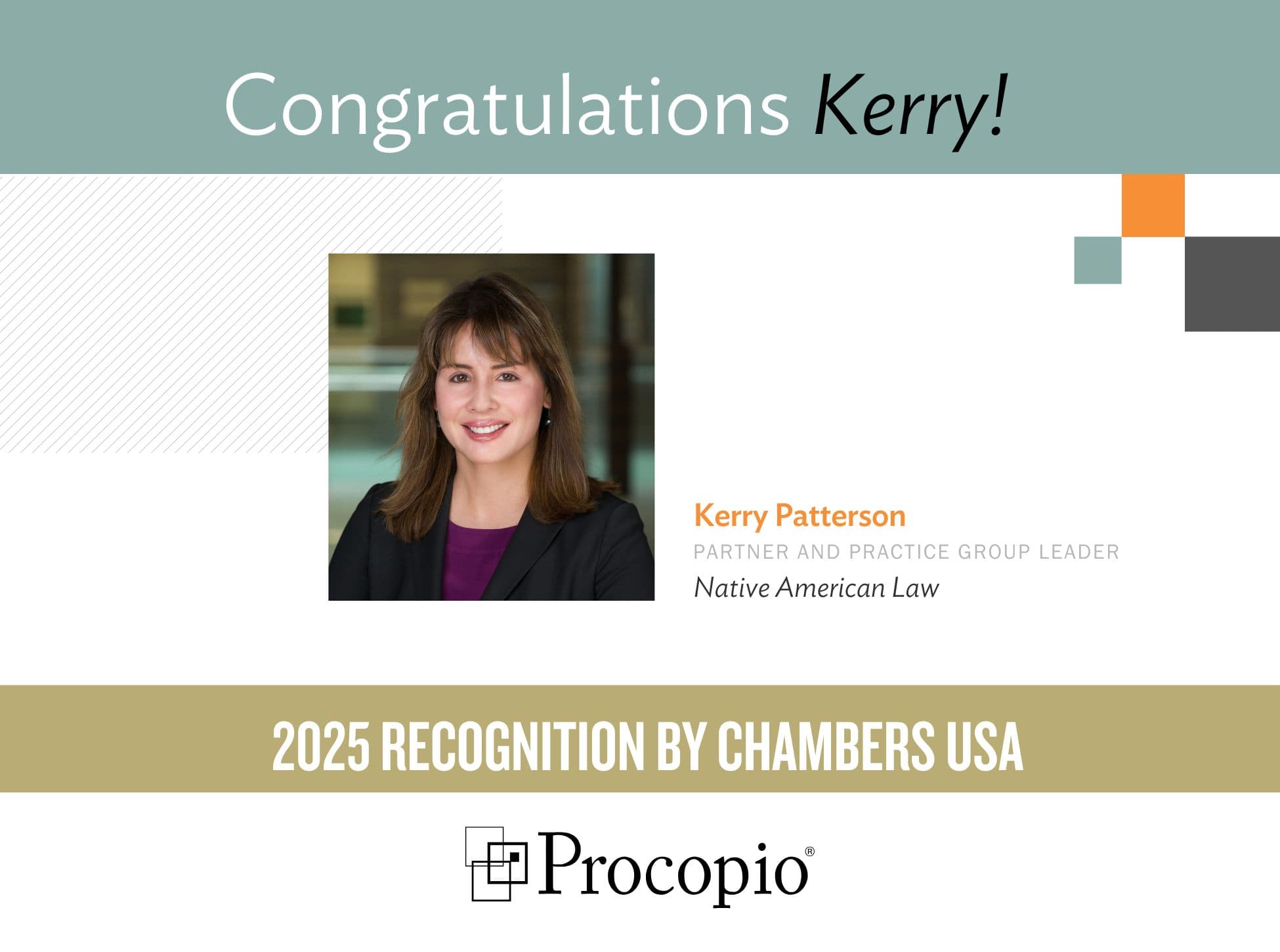
The practice is led by attorneys with deep roots in tribal communities, including multiple enrolled tribal members. Our attorneys have helped shape modern federal Indian law, including successfully arguing California v. Cabazon Band of Mission Indians before the United States Supreme Court, the landmark decision that established the foundation for modern tribal gaming. Today, the practice continues to be recognized by Chambers and Partners for Native American Law.
Our commitment extends beyond client representation. For decades, Procopio has invested in tribal communities through pro bono legal services, leadership in Native legal organizations, partnerships with tribal educational and community programs, and our paid Native American Law Internship Program. By mentoring Native law students, supporting future tribal leaders, and maintaining long-standing relationships with tribal organizations throughout the region, we strive to strengthen both the communities we serve and the future of Native American law.
Helping tribal governments build strong legal and governance foundations.
Supporting the financing, development, expansion, and operation of tribal enterprises and commercial projects.
Helping clients manage, protect, and develop tribal lands and natural resources while supporting long-term infrastructure and community priorities.
Supporting the delivery of healthcare, governmental programs, and other essential services that strengthen tribal communities.
Representing tribal governments, tribal enterprises, and other clients in disputes while protecting sovereignty, business interests, and long-term objectives.
Procopio’s Native American Law Practice Group is committed to doing its part to empower future leaders in Indian Country by providing paid internships to Native American law students and law students with a strong interest in federal Indian law and/or tribal law.
The Native American Law Internship provides an opportunity for two law students to gain hands-on experience dealing with everyday legal issues facing Native American communities. Interns are involved in matters that deal with specific Indian law-related legal practice matters and other legal problems facing tribal governments and Native entities.
Many past interns hold leadership positions in law and government, providing an active alumni network for program participants. We remain active with our alumni to mentor and prepare them for success in the legal profession as they grow their careers.
Our application process for 2026 is now closed. Here is what an internship application should include, for those interested in applying for 2027 when we open that process next year:
The earlier, the better. Involving legal counsel early can help identify opportunities and potential challenges before they affect a project’s timeline or budget. Whether the project involves governance, economic development, financing, real estate, healthcare, environmental permitting, or commercial agreements, early legal guidance can help streamline decision-making, coordinate regulatory approvals, and reduce the risk of future disputes.
Yes. We regularly serve as trusted legal counsel to tribal governments and tribal enterprises, advising on day-to-day legal matters as well as long-term strategic initiatives. Depending on our clients’ needs, we may serve as primary outside counsel or work alongside in-house legal departments and other advisors, providing coordinated support across governance, economic development, litigation, real estate, employment, environmental matters, healthcare, and other legal issues.
Businesses operating on tribal lands or partnering with tribal governments often encounter legal issues that differ significantly from those in other commercial settings. We help developers, lenders, contractors, vendors, and other businesses understand tribal legal frameworks, negotiate agreements, navigate jurisdictional issues, and build productive long-term relationships with tribal governments and enterprises.
Economic development and cultural preservation are not competing priorities. Successful tribal projects often require thoughtful planning that advances economic opportunities while protecting cultural resources, natural landscapes, and the long-term well-being of tribal communities. Our attorneys work closely with tribal governments, environmental professionals, planners, and regulatory agencies to help clients navigate permitting, land use, infrastructure, and development projects in ways that reflect each tribe’s unique priorities and values.
Yes. Our attorneys have extensive experience representing tribal governments, tribal enterprises, and other clients in disputes involving tribal sovereignty, sovereign immunity, tribal court jurisdiction, gaming, commercial matters, and other complex legal issues. We represent clients in tribal, state, federal, and appellate courts and help develop litigation strategies that reflect both the legal and practical considerations unique to tribal matters.
Legal issues involving tribal governments often require experience that extends beyond a single area of law. Look for counsel with a deep understanding of tribal sovereignty, governance, economic development, and the unique legal relationships among tribes, businesses, and government agencies. Equally important are long-term relationships with tribal communities, experience across multiple legal disciplines, and a collaborative approach that aligns legal strategy with each client’s long-term goals.
8 results found.
We rely on Procopio
An indispensable part of our growing success