

A recent courtroom loss for a social media influencer is putting a sharper edge on a risk many in the creator economy still underestimate.
Nike secured a roughly $11-million jury verdict against Nicholas Tuinenburg in March 2026, an influencer and founder of “Divide The Youth,” after he was found liable for willful counterfeiting and trademark and trade dress infringement. The case, decided in the Central District of California, did not hinge on a shadowy supply chain or offshore manufacturer. Instead, it centered on promotion, branding, and the role of an individual leveraging an online audience to drive demand.
That outcome reflects a broader shift in how trademark law is being enforced. Liability, once confined to those who actually make counterfeit goods, has expanded to those who help market and monetize them.
In today’s digital economy, a single online post can move product at scale. That power comes with legal exposure. Influencers, affiliates, and advertisers are increasingly part of the intellectual property enforcement conversation, particularly when their content amplifies products that turn out to be infringing or counterfeit.
The legal system is adapting to the reality that consumer confusion often starts with promotion, separately from manufacturing. Understanding where liability begins requires a closer look at the underlying doctrines.
Trademark infringement occurs when a party uses a mark that is identical or confusingly similar to a registered trademark in a way that is likely to mislead consumers about source, sponsorship, or affiliation.
Consumer confusion does not require exact duplication. Courts routinely look at context, presentation, and overall impression. Risk can arise from lookalike branding, similar product names in related markets, or unauthorized use of logos in marketing materials.
The key question is straightforward but highly fact-specific: would a reasonable consumer be confused?
Counterfeiting takes infringement a step further than trademark infringement. It involves the use of a mark that is identical or nearly indistinguishable from a registered trademark on the same category of goods, typically with an intent to deceive.
The consequences are significantly more severe. Statutory damages can reach into the millions of dollars per mark. Courts can order seizure and destruction of goods. In some cases, criminal liability is on the table and prison sentences have resulted. Enforcement efforts also tend to involve customs authorities and coordinated regulatory action across enforcement agencies and even jurisdictions.
The Tuinenburg case highlights a growing legal reality: you do not need to manufacture counterfeit goods to face liability. Exposure increasingly attaches to those who promote them. That includes influencers endorsing products, affiliates linking to third-party sellers, advertisers running campaigns, and even platforms hosting listings.
There are several legal theories for making a case of infringement based on promotion:
Influencers and marketing partners should verify product authenticity before promotion, especially when working with unfamiliar sellers. Partnering with authorized distributors and established brands reduces risk significantly. Clear and accurate product descriptions matter, as does transparent disclosure of commercial relationships. Enforcement is catching up with influence in the marketplace.
The Nike verdict signaled that in the courts’ view, the line between creator and commercial actor is thin. For influencers, if their platform drives sales, it can also drive liability.

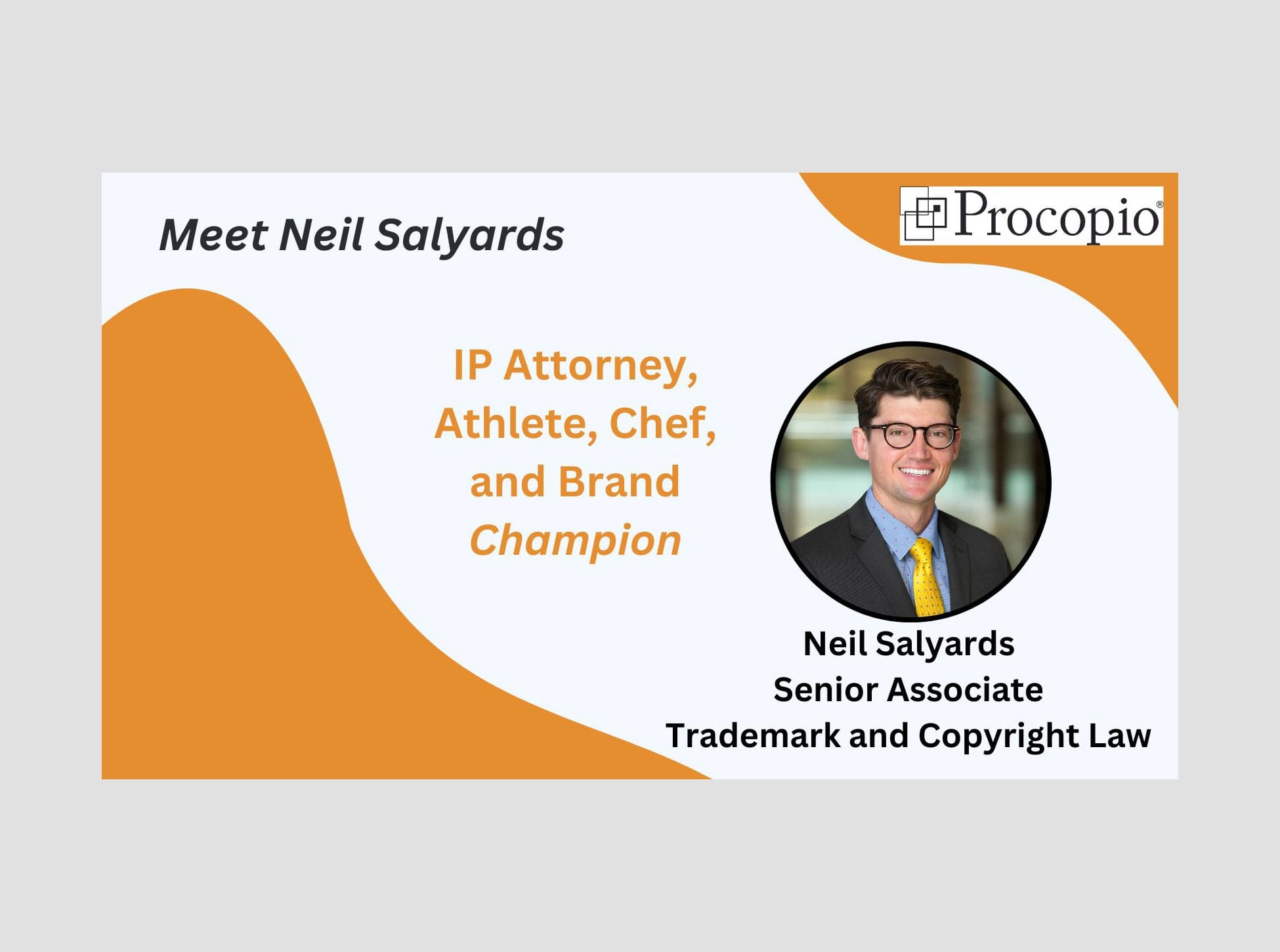
Neil advises clients on the full range of domestic and international trademark and copyright matters, with a focus on building, protecting, and enforcing global brand portfolios. He works closely with in-house legal, marketing, and brand teams, as well as foreign counsel worldwide, to manage intellectual property strategies across jurisdictions.
Neil counsels clients on trademark and copyright clearance, selection, prosecution, and enforcement, including worldwide trademark and trade dress protection, brand launches and advertising campaigns, licensing matters, and right of publicity issues. He represents clients before the US Patent and Trademark Office in trademark prosecution as well as opposition and cancellation proceedings, prepares availability and risk assessment opinions, and negotiates and drafts license and coexistence agreements. His practice also includes online brand enforcement, such as domain name disputes and DMCA takedown actions, intellectual property due diligence in connection with mergers, acquisitions, and licensing transactions, and coordination with litigators to manage IP disputes when they arise.
Neil leads Procopio’s Sports & Active Lifestyle practice, and represents clients in a wide range of industries.
Neil advises clients on the full range of domestic and international trademark and copyright matters, with a focus on building, protecting, and enforcing global brand portfolios. He works closely with in-house legal, marketing, and brand teams, as well as foreign counsel worldwide, to manage intellectual property strategies across jurisdictions.
Neil counsels clients on trademark and copyright clearance, selection, prosecution, and enforcement, including worldwide trademark and trade dress protection, brand launches and advertising campaigns, licensing matters, and right of publicity issues. He represents clients before the US Patent and Trademark Office in trademark prosecution as well as opposition and cancellation proceedings, prepares availability and risk assessment opinions, and negotiates and drafts license and coexistence agreements. His practice also includes online brand enforcement, such as domain name disputes and DMCA takedown actions, intellectual property due diligence in connection with mergers, acquisitions, and licensing transactions, and coordination with litigators to manage IP disputes when they arise.
Neil leads Procopio’s Sports & Active Lifestyle practice, and represents clients in a wide range of industries.
Patrick Ross, Senior Manager of Marketing & Communications
EmailP: 619.906.5740
Suzie Jayyusi, Senior Marketing Coordinator Events Planner
EmailP: 619.525.3818
Francisco Sanchez Losada, Marketing and Client Relations Manager
EmailP: 619.515.3225
Sanae Trotter, Senior Manager for Client Relations
EmailP: 650.645.9015