
We represent developers, owners, operators, and technology providers across the data center ecosystem, combining real estate, construction, technology, and regulatory experience to support projects across the full lifecycle.
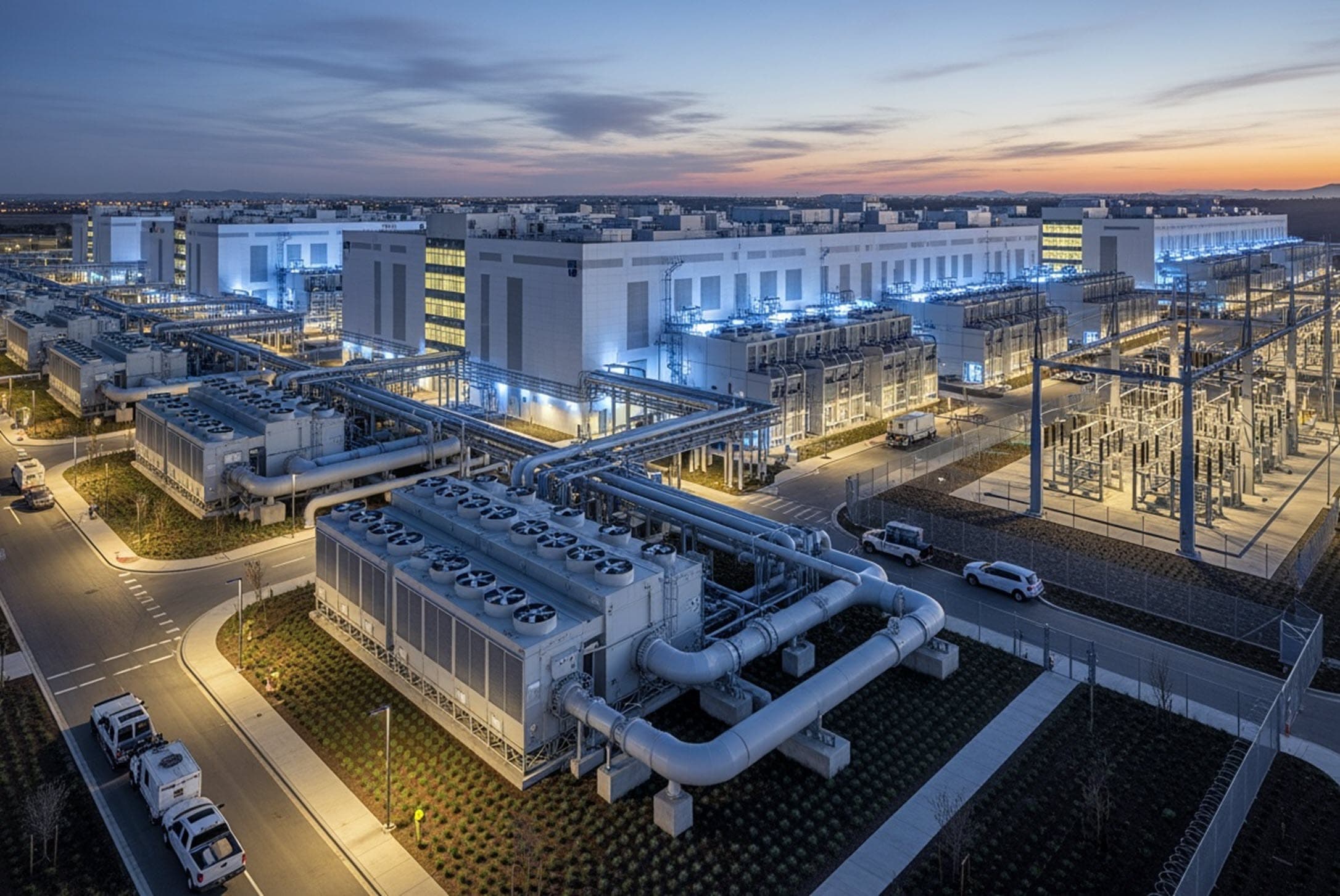
Procopio advises clients across the data center ecosystem, including developers, owners, operators, investors, and technology providers, on the legal and business issues that arise in the development, operation, and expansion of data center projects. These projects often involve significant capital investment, complex infrastructure, and the integration of real estate, technology, and regulatory considerations.
Our team brings a multidisciplinary approach to data center work, combining experience in real estate, construction, intellectual property, technology transactions, and litigation. We guide projects from site acquisition, entitlement, and development through construction, financing, and ongoing operations, helping clients manage risk and align legal strategy with business objectives.
We regularly advise on high-value data center projects involving complex contractual arrangements, infrastructure development, and specialized equipment and technology. Our experience includes negotiating and structuring development, construction, and supplier agreements, addressing land use and entitlement challenges, and resolving disputes arising from construction, performance, and operational issues.
We also represent clients in matters involving the technology and systems that support data center operations, including intellectual property, licensing, and trade secret issues. Our integrated platform allows us to address disputes and enforcement matters involving construction claims, patent and trade secret disputes, and complex commercial relationships that arise in this sector. Our approach emphasizes practical, efficient execution. We work with clients to navigate the complexity of data center projects, manage cost and risk, and position assets for long-term performance and growth in a rapidly evolving market.
We provide integrated legal services across the full lifecycle of data center projects, from development and construction through operations and dispute resolution.
We advise clients on the acquisition, entitlement, and development of data center sites, aligning real estate strategy with infrastructure, regulatory, and operational requirements.
We support the design and construction of data center facilities, addressing the unique contractual, technical, and risk allocation issues involved in large-scale infrastructure projects.
We advise on the technology and systems that support data center operations, including intellectual property, licensing, and protection of proprietary technology.
We represent clients in structuring and negotiating the transactions and commercial arrangements that support data center development and operations.
We advise owners and operators on managing data center assets, contracts, and relationships across portfolios and jurisdictions.
We represent clients in disputes arising from the development, construction, and operation of data centers, with a focus on efficient and strategic resolution.
Ideally at the earliest stages of site selection and project planning. Data center projects involve complex considerations, including land use, power and infrastructure requirements, contractual arrangements, and regulatory approvals. Early involvement helps identify risks, structure agreements effectively, and avoid issues that can delay development or increase costs later.
Common challenges include land use and entitlement issues, coordination with utilities and infrastructure providers, construction risk allocation, and negotiating complex agreements with contractors, suppliers, and technology providers. Projects often involve multiple stakeholders, making alignment and clear documentation critical.
Data centers involve unique technical and operational requirements, including power capacity, cooling systems, connectivity, and specialized equipment. These factors create additional complexity in construction, contracting, and ongoing operations, often requiring coordination between real estate, construction, and technology considerations.
Key agreements typically include development and construction contracts, equipment and supplier agreements, service and operations agreements, and, in many cases, joint venture or financing arrangements. These agreements must be carefully structured to address performance, risk allocation, and long-term operational needs.
Intellectual property issues often arise in connection with proprietary systems, infrastructure design, cooling and storage technologies, and operational processes. Disputes can involve patent infringement, trade secrets, and licensing arrangements, particularly where multiple parties contribute technology or specialized equipment.
Operators should focus on consistent contract management, vendor relationships, and risk allocation across facilities. As portfolios grow, coordination across jurisdictions and standardization of agreements and processes become increasingly important to maintain efficiency and control costs.
Disputes may arise from construction delays, performance issues, contract disagreements, or technology-related claims. Many are resolved through negotiation or arbitration, but litigation may be necessary in higher-stakes matters. Early strategy and clear documentation often play a key role in achieving efficient resolution.
Insurance can be critical in managing risk across construction and operations, including coverage for delays, defects, and liability issues. Disputes over coverage are not uncommon, and careful review of policies and claims strategy can significantly impact recovery.
Cost control begins with planning and strategy. By structuring agreements carefully, prioritizing key risks, and identifying opportunities for early resolution, we help clients manage legal spend while maintaining strong positions in negotiations and disputes.
Companies often reassess counsel as projects scale, become more complex, or involve multiple jurisdictions and disciplines. This is particularly relevant when a more integrated approach is needed to coordinate real estate, construction, technology, and dispute-related issues efficiently.
18 results found.