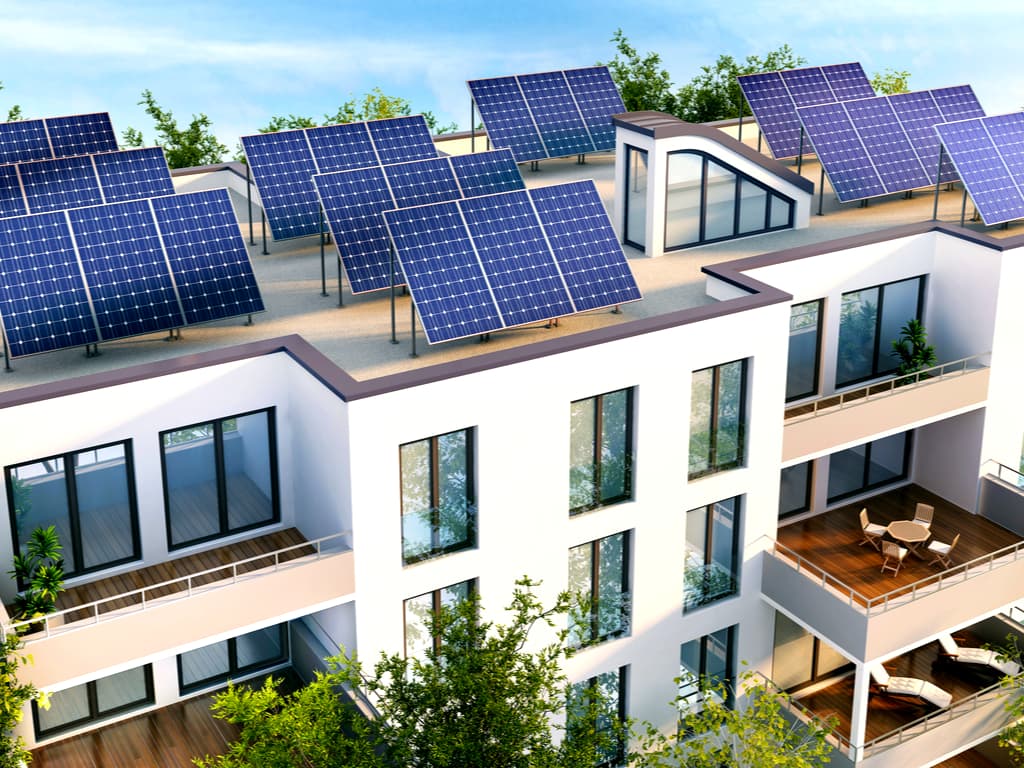

We advise developers, infrastructure owners, technology companies, and investors, combining regulatory, infrastructure, technology, and transactional experience to support projects and innovations shaping the future of energy.

Procopio advises clients across the energy sector on the legal, regulatory, operational, and transactional issues involved in developing, financing, operating, and scaling modern energy and infrastructure projects. We represent developers, infrastructure owners, technology companies, investors, utilities, tribal governments, and other participants navigating the evolving energy landscape.
Our work spans renewable and distributed energy projects, battery storage, transmission and grid infrastructure, energy technology, and emerging energy systems. We regularly advise clients on project development, permitting, environmental compliance, land use, infrastructure planning, and the commercial arrangements required to move projects from concept through operation.
We have particular experience navigating California’s rapidly evolving regulatory environment, including matters involving CEQA, CARB, CPUC, distributed energy systems, greenhouse gas regulations, and climate-related compliance obligations. We help clients anticipate regulatory developments and align project and business strategies with changing state and federal requirements.
Procopio attorneys bring a multidisciplinary approach that combines environmental and land use law, real estate, intellectual property, corporate transactions, litigation, and regulatory strategy. They advise on the full lifecycle of energy projects and technologies, including siting and entitlements, power purchase and energy services agreements, financing and joint ventures, intellectual property protection, operational risk management, and disputes.
Our practice also includes significant work involving tribal governments and tribal energy projects, including solar, wind, utility infrastructure, and intergovernmental agreements. In addition, we advise clients developing and commercializing energy-related technologies, including grid systems, battery technologies, EV infrastructure, and AI-enabled and IoT-based energy technologies. Our approach emphasizes practical execution, efficient staffing, and coordinated advice across disciplines, helping clients manage complexity and position projects and technologies for long-term operational and commercial success.
We advise clients on the development and siting of energy and infrastructure projects, helping navigate permitting, entitlement, environmental review, and land use challenges across California and beyond.
We help clients navigate California’s evolving regulatory and policy landscape affecting energy development, infrastructure, and operations.
We structure and negotiate the agreements that support the financing, construction, operation, and commercialization of energy projects and technologies.
We advise clients developing and commercializing energy-related technologies, helping protect innovation and align intellectual property strategy with business objectives.
We advise tribal governments, municipalities, and public-sector participants on energy and infrastructure projects involving complex regulatory, operational, and intergovernmental considerations.
We help clients manage operational risk and resolve disputes arising from the development, construction, and operation of energy and infrastructure projects.
Built and managed global patent portfolios for energy and infrastructure technologies involving grid systems, power modules, energy storage systems, EV charging systems, transmission technologies, and AI-enabled energy management systems.
Represented tribal governments and tribal entities in renewable energy development projects involving solar, wind, utility infrastructure, and community energy initiatives.
Represented clients in environmental enforcement actions, including matters involving industrial discharges, stormwater compliance, air quality regulations, and alleged contamination claims.
Ideally at the earliest stages of planning and development. Energy projects often involve permitting, land use, infrastructure, financing, and regulatory considerations that can significantly affect timing, cost, and long-term operations. Early involvement helps identify risks and structure projects more effectively from the outset.
Delays often arise from permitting and entitlement challenges, environmental review, utility coordination, land use disputes, and contractual issues involving contractors, suppliers, or project partners. Regulatory changes and evolving compliance requirements can also affect project timelines and costs.
California’s regulatory framework is among the most complex and rapidly evolving in the country. Energy projects often involve overlapping requirements related to CEQA, CARB, CPUC, greenhouse gas regulations, and local permitting. Navigating these frameworks requires both technical understanding and strategic coordination across agencies and stakeholders.
Energy projects frequently involve a combination of environmental review, real estate, construction, financing, intellectual property, regulatory compliance, and operational issues. Coordinated legal guidance helps ensure that decisions made in one area support the project’s broader commercial and operational objectives.
Key agreements often include power purchase agreements, energy services agreements, development and construction contracts, interconnection arrangements, land use and lease agreements, and joint venture or financing documents. These agreements are central to allocating risk, defining operational responsibilities, and supporting long-term project viability.
Intellectual property issues frequently arise in connection with energy storage systems, grid technologies, EV infrastructure, software platforms, AI-enabled systems, and other emerging technologies. Companies often need coordinated strategies involving patent protection, licensing, commercialization, and protection of proprietary systems and data.
Tribal energy projects often involve additional regulatory, jurisdictional, and intergovernmental considerations, including tribal sovereignty, federal approvals, land status issues, utility coordination, and culturally sensitive environmental review. Successful projects typically require close coordination among tribal governments, agencies, utilities, and private-sector participants.
We focus on practical execution and early risk identification. That includes structuring agreements carefully, prioritizing key regulatory and operational issues, coordinating across disciplines efficiently, and helping clients avoid unnecessary delays or escalation that can increase project costs.
Disputes may involve permitting and regulatory issues, construction and infrastructure delays, environmental compliance matters, commercial contract disputes, or disagreements involving technology and operational performance. Many can be addressed strategically through negotiation and project management before litigation becomes necessary.
Companies often reassess counsel as projects scale, become more complex, or involve multiple jurisdictions, agencies, or disciplines. This is particularly relevant when a more integrated approach is needed to coordinate development, regulatory, infrastructure, technology, and operational issues efficiently.
11 results found.
Pillar of the community
We rely on Procopio
Knowledge, commitment and dedication